

10mm tempered glass price
Understanding Level Wholesale A Comprehensive Overview In today's dynamic market landscape, businesses are continually exploring innovative ways to optimize their supply chains and reduce operational costs. One effective strategy that has gained traction in recent years is level wholesale. This approach not only streamlines processes but also enhances profit margins, making it an attractive option for retailers and wholesalers alike. Level wholesale refers to a pricing and distribution model where goods are sold at a relatively consistent price across various sales channels. Unlike traditional wholesale strategies that might involve fluctuating prices based on demand or inventory levels, level wholesale maintains a steady price point. This model is particularly beneficial for businesses aiming to enhance customer loyalty while maintaining control over their pricing strategies. One of the main advantages of level wholesale is its simplicity. For wholesalers, it eliminates the complexities associated with varying prices for different customers or markets. This straightforward pricing structure simplifies inventory management and forecasting, enabling businesses to make more informed decisions. Retailers benefit from this predictability as well; knowing that they can count on consistent pricing allows them to manage their budgets more effectively and build customer trust. Another significant benefit of level wholesale is its effectiveness in fostering customer relationships . With a fixed price model, customers can easily understand the value they are receiving, reducing the likelihood of price-related confusion or dissatisfaction. This transparency is crucial, especially in competitive markets where consumers are increasingly savvy and discerning. When customers recognize that they are receiving fair and consistent pricing, their likelihood of returning for repeat business increases. level wholesale From a logistical perspective, level wholesale can lead to significant cost savings. By establishing steady pricing, businesses can optimize their inventory levels. Instead of frequently adjusting prices based on supply and demand, they can focus on maintaining a stable stock that meets customer needs. This not only reduces storage costs but also minimizes the risk of overstocking or stockouts, which can affect sales negatively. Implementing level wholesale also allows businesses to leverage technology more effectively. Advanced analytics and inventory management systems can be employed to track sales trends and consumer behaviors, enabling companies to forecast demand more accurately. By understanding when to replenish stock and adjusting procurement strategies accordingly, businesses can enhance their operational efficiency. However, transitioning to a level wholesale model is not without its challenges. Businesses must carefully analyze their market positioning and customer base before making the switch. It requires a deep understanding of customer expectations and competitive pricing strategies. Additionally, employees must be trained to effectively communicate the benefits of this model to consumers, ensuring that they recognize the value they are receiving. In conclusion, level wholesale presents a compelling opportunity for businesses looking to streamline operations, enhance customer relationships, and improve profitability. By adopting a consistent pricing strategy, companies can eliminate complexities associated with variable pricing, foster loyalty among customers, and optimize inventory management. While the transition to a level wholesale model requires careful planning and execution, the potential rewards make it a worthwhile consideration for retailers and wholesalers navigating the complexities of the modern marketplace. As businesses continue to adapt to changing consumer demands and market conditions, level wholesale stands out as an innovative approach to achieving sustainable growth.
about
10mm tempered glass price
Understanding Thread Ring Gages 6H and 6G A Comprehensive Overview Thread ring gages are essential tools in the manufacturing and engineering sectors, particularly for ensuring the accuracy and quality of threaded components. Among the various classifications, the 6H and 6G thread ring gages stand out due to their precision and applicability in different contexts. What Are Thread Ring Gages? Thread ring gages are specialized measuring instruments used to check the external threads of a workpiece. They help determine whether the threads conform to specified dimensions and tolerances. Typically, these gages come in two primary forms internal and external. For external threads, ring gages are used, while plug gages are used for internal threads. Understanding 6H and 6G Classes The designation of thread ring gages includes a number followed by a letter, where the number indicates the tolerance class and the letter indicates the type of thread form. In the case of 6H and 6G - 6H The 'H' indicates a high degree of fit and is commonly associated with external threads. It allows for a small allowance between the gage and the workpiece, which facilitates ease of fitment. The 6H class is typically used for threads that are less critical in terms of load-bearing and precision but still require a reliable performance. thread ring gauge 6h and 6g - 6G On the other hand, the 'G' refers to a general-purpose fit suitable for various applications. The 6G class provides a tighter tolerance than the 6H class and is used for more demanding applications where precision is paramount, such as in hydraulic fittings or high-stress mechanical assemblies. The 6G gage ensures that the threads are not only dimensionally correct but also functional under stress. Applications and Importance The choice between a 6H and 6G thread ring gage depends on the requirements of the specific application. Industries ranging from aerospace to automotive and machinery rely heavily on these gages to maintain high standards of quality control. Accurate thread measurements can prevent costly failures, ensuring that components meet safety and performance specifications. Additionally, the use of proper gaging helps streamline production processes, reducing the time spent on inspections and reworks. With automatic thread measuring systems increasingly being incorporated into manufacturing lines, the role of thread ring gages remains crucial in maintaining the integrity of threaded connections. Conclusion In summary, thread ring gages 6H and 6G are indispensable tools in the industry for ensuring the reliability and accuracy of threaded components. Understanding their differences and applications helps engineers and manufacturers choose the right gage for their specific needs, ultimately contributing to higher quality products and improved operational efficiency.
-

High quality industrial productsagement

High quality industrial products
View Details -

Meet the diverse needs of customers

Meet the diverse needs of customers
View Details -

Strict quality control

Strict quality control
View Details -

Top raw materials

Top raw materials
View Details -

Trusted supplier

Trusted supplier
View Details
Our application


news and information
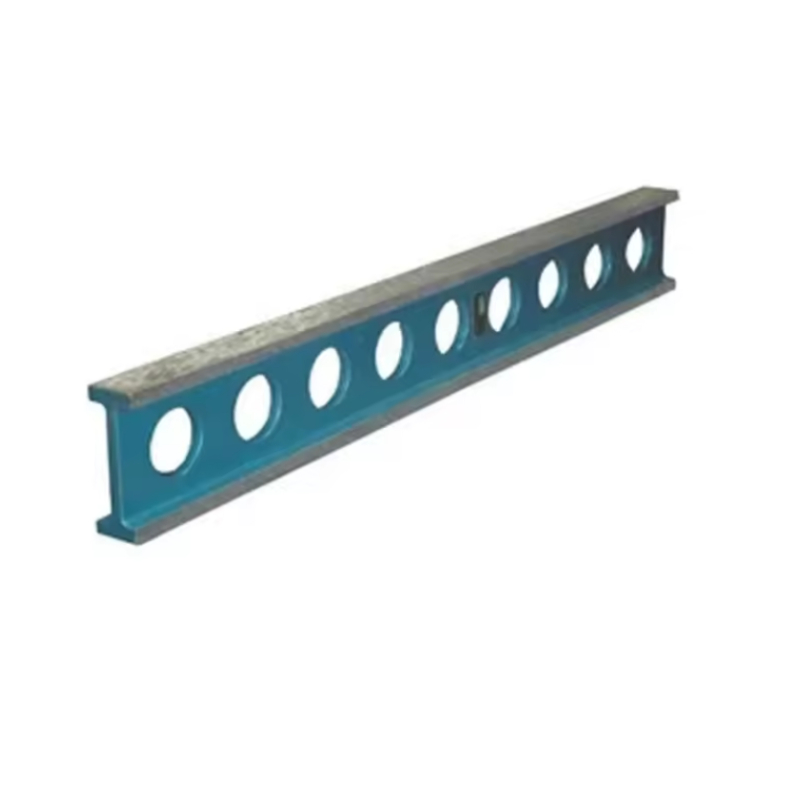
Welding Inspection Guide for Accurate Measurement and Quality Assurance
The Importance of Welding Inspection Rulers in Quality Control Welding plays a crucial role in the m
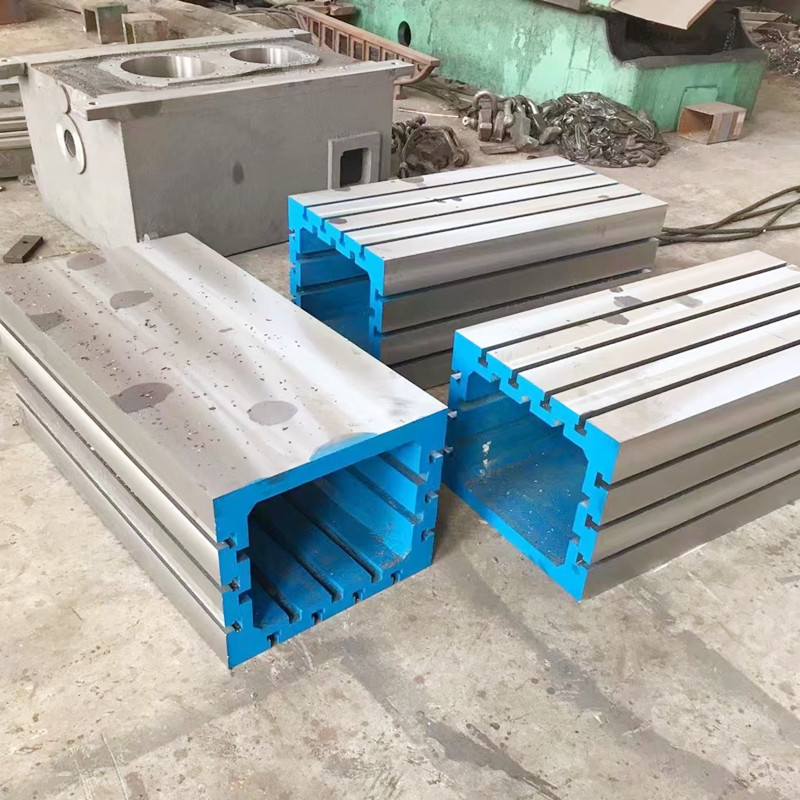
Versatile 4x6 Welding Table for Efficient Metal Fabrication and DIY Projects
Enhancing Your Workshop with a 4x6 Welding Table When it comes to welding, having the right workspac
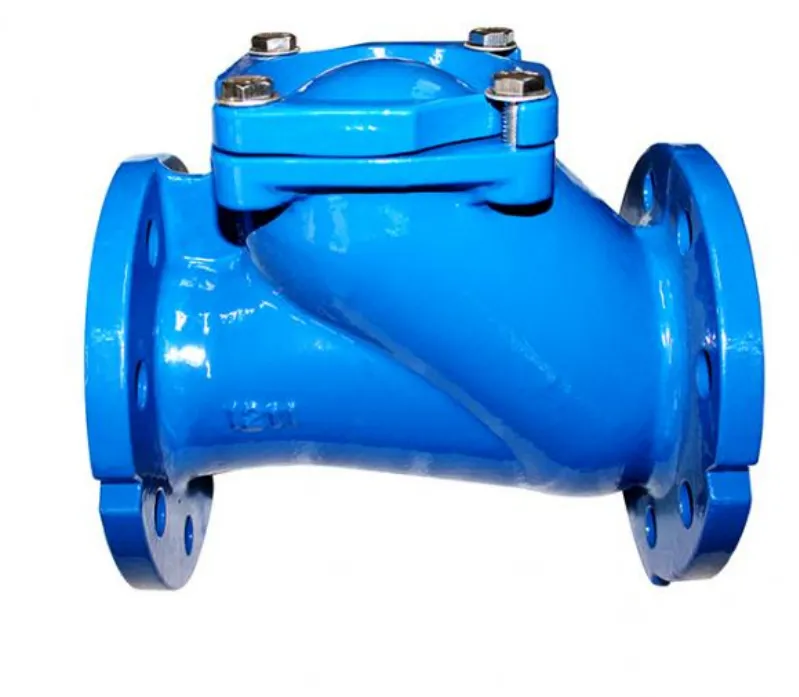
Water Valve Types And Their Delivery Times
Water valves play a crucial role in managing water flow within your home or industrial system. Wheth
 English